
Guide for private ceremonies
Ceremony and hosting for private ceremonies
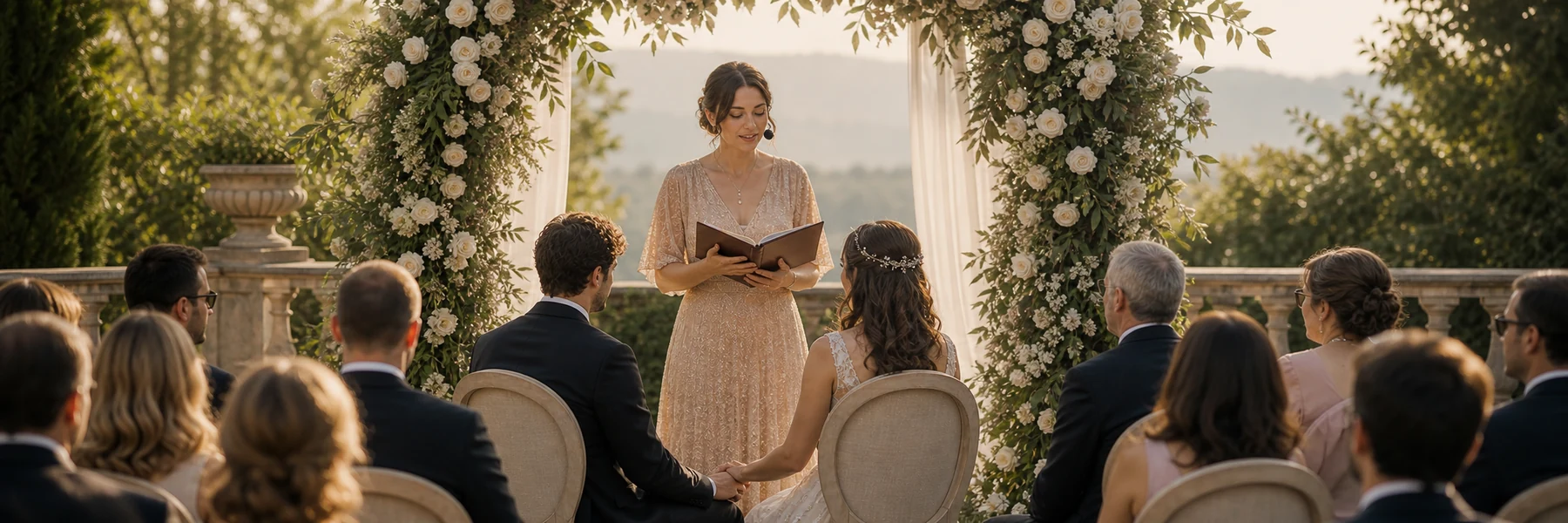
Ceremony and hosting for private ceremonies decide how the moment is understood, not only as it is presented \\\\\\\\\\\\\\\\\\\\\\\\\\\\\\\\\\\\\\\\\\\\\\\\\\\\\\\\\\\\\\\\\\\\\\\\\\\\\\\\\\\\\\\\\\\\\\\\\\\\\\\\\\\\\\\\\\\\\\\\\\\\\\\\\\\\\\\\\\\\\\\\\\\\\\\\\\\\\\\\\\\\\\\\\\\\\\\\\\\\\\\\\\\\\\\\\\\\\\\\\\\\\\\\\\\\\\\\\\\\\\\\\\\\\\\\\\\\\\\\\\\\\\\\\\\\\\\\\\\\\\\\\\\\\\\\\\\\\\\\\\\\\\\\\\\\\\\\\\\\\\\\\\\\\\\\\\\\\\\\\\\\\\\\\\\\\\\\\\\\\\\\\ Proper hosting does not fill the ritual with words: it makes every word heard.
Rite and hosting for private ceremonies: shaping at the moment
Ceremony and hosting for private ceremonies They are needed when the moment needs a readable structure. Without a guide, readings, promises, music, signatures and family interventions can become an uncertain sequence; with a hosting too intrusive, instead, the ritual loses naturalness. The measure is to give order without occupying the center. Before choosing, clarify type of ceremony, legal or symbolic value, duration, tone, people involved, language, any delicate passages and relationship with music, photo, video and audio service.
Celebrating, Officating or Presenting: Different Roles
The celebrant for private ceremony builds the sense of the ritual and can write custom texts; the officiating guide formal or symbolic passages; the presenter is more suitable when it is necessary to connect interventions, readings or public moments without creating a proper ritual. Confuse roles leads to weak texts or out-of-tone conductions. Ask for examples, method of preparation, number of meetings, revision of texts, emotional management and ability to speak to a family audience without falling into the generic.
Texts, promises and readings: preparation without artifice
A private ceremony The most credible of these are personal but not theatrical texts. Promises, readings, memories, thanksgivings and symbolic gestures must seem true to those who live them, not written to impress. Ask how information is collected, how much the celebrant intervenes on writing, if it helps those who speak in public and how he manages emotion, tears, hesitations or unexpected. Also the names to be mentioned and important moments to emphasize must be prepared: wrong a name or a passage can ruin the attention of the ritual.
Quote for ritual and conduct: meetings, texts and presence
In the quote for ritual and conduct of private ceremonies The ritual must be clear, in preparation, writing or revision of texts, duration, presence on the day, arrival, eventual trial, clothing, microphone, coordination with musicians, photographer, videomaker, service and venue, travel, overtime and replacement in case of impediment. If the ritual has civil value, the legal and administrative profile must be checked separately. The emotional part can be free; the responsibilities must be very clear.
Pages for further information for ritual and hosting: choose the one that best suits you
When to choose a professional for ritual and hosting
Check experience, style, timing, technical needs, travel and what is included before confirming the quote.
It is necessary when promises, readings and symbolic passages must be carefully written.
Rhythm
A guide avoids expectations, overlaps and uncertain signals between music, words and signatures.
Check experience, style, timing, technical needs, travel and what is included before confirming the quote.
The professional helps maintain a balance between emotion, sobriety and participation.
What to compare before choosing ritual and hosting for private ceremonies
- Clear if it is necessary to celebrate, officiate, presenter or simple connection of the interventions.
- Checking method of preparation, meetings, writing texts and possibility of revision.
- He communicates names to be mentioned, passages to avoid, people involved and important moments to emphasize.
- Ask for experience in civil, symbolic or family rituals similar to your context.
- Coordinates microphone, music, readings, photo, video, signatures and input and output signals.
- Check duration, arrival, clothing, travel, replacement and any legal liability.
Frequently asked questions about ceremony and hosting for private ceremonies
What is the difference between celebrant and presenter?
The celebrant builds and guides the rite; the presenter tells about interventions or moments. In a symbolic ceremony a celebrant is often needed, while in a family event a sober hosting can suffice.
Does the civil rite require a particular celebrant?
If the ritual is legal, it is necessary to verify rules, delegations and authorizations with the City or the competent body. The symbolic celebrant does not automatically replace the civil part.
How long should the texts last?
They must be long enough to make sense, but not so much to tire. In many private ceremonies short, true and well distributed texts work better between multiple passages.
Can the professional help with promises?
Yes, if the service is for it. It can help to give shape, tone and measure, without removing authenticity from the speaker.
Need proof?
It is useful when there are entrances, readings, music, signatures, children, family members involved or outdoor rite. Even a short test clarifies signals and positions.
What to ask before confirming?
Ask for videos or examples, method, meetings included, texts, revisions, duration, arrival, microphone, replacement in case of impediment and management of unexpected issues.
How to avoid a tone that is too rhetorical?
By giving real information and asking for a sober style. The text must speak to the people present, do not use standard phrases that could suit anyone.
Who coordinates music, readings and signatures?
It must be decided first. Often it is a celebrant or planner, but it can also be a contact person of the venue. Without clear signals, the passages risk to start in uncertain way.